Korean Skincare Routine for Beginners: What You Actually Need
Korean Skincare Routine for Beginners: What You Actually Need
Every article about Korean skincare starts with "the 10-step routine." And every person who reads those articles goes out, buys 10 products, overwhelms their skin, breaks out, and concludes that Korean skincare doesn't work for them.
I've watched this happen to people I know. It happened to me, actually, in my first month in Seoul. I walked into an Olive Young near Myeongdong, pointed at things I'd seen on YouTube, and left with a bag full of products that I used all at once and hated.
So let me save you from that.
The 10-Step Thing Is a Marketing Myth
Okay, not entirely a myth. Korean beauty culture genuinely does involve more steps than a typical Western routine, and layering is a real technique. But the "10 steps" framing was largely created for Western audiences by beauty brands who wanted to sell ten products instead of two.
Real Korean skincare is about intention, not quantity. The philosophy is: understand what your skin needs, and use targeted products to address those needs. Sometimes that's three steps. Sometimes it's seven. But it's not ten products thrown at your face every single morning.
Here's what you actually need to start.
The Non-Negotiable Foundation: 3 Steps
Step 1: Cleanser
If you wear any makeup or sunscreen (and you should be wearing sunscreen), you need a two-step cleanse. That means:
First cleanse (PM only): An oil cleanser or cleansing balm to break down makeup and SPF. This doesn't need to be fancy. The Banila Co. Clean It Zero cleansing balm is a classic and works perfectly — about ₩18,000 / ~$13 StyleKorean →. You massage it onto dry skin, it melts everything, you rinse it off.
Second cleanse: A gentle water-based cleanser. Foam, gel, whatever texture you prefer, as long as it doesn't make your skin feel tight or squeaky after rinsing. Squeaky means stripped. Stripped is bad.
In the morning, you can usually just use your gentle water-based cleanser. Your skin hasn't done anything since you washed it last night.
Step 2: Moisturizer
You need one. Full stop. Even oily skin needs moisturizer — in fact, oily skin often produces excess oil partly because it's dehydrated and trying to compensate.
For beginners in Korean skincare, I'd suggest starting with a simple, lightweight emulsion rather than a thick cream. COSRX Oil-Free Ultra-Moisturizing Lotion is a solid starter option. Laneige Water Bank Moisture Cream is a bit richer and works well for normal-to-dry skin.
Step 3: Sunscreen
This is the one you can't skip if you're doing any of this for anti-aging, brightening, or general skin health reasons. UV exposure is the single biggest driver of premature skin aging. All those expensive serums you're about to buy? They work better when you're not undoing the work with daily sun damage.

COSRX Advanced Snail 96 Mucin Power Essence
Use SPF 30 minimum. SPF 50+ is better. Korean sunscreens tend to have much more comfortable textures than Western ones — see my separate post on the best Korean sunscreens with no white cast.
Once You've Got That Down: Add 1-2 Extras
After two to four weeks of consistently doing those three steps and seeing how your skin responds, you can start adding targeted treatments. Not all at once. One at a time.
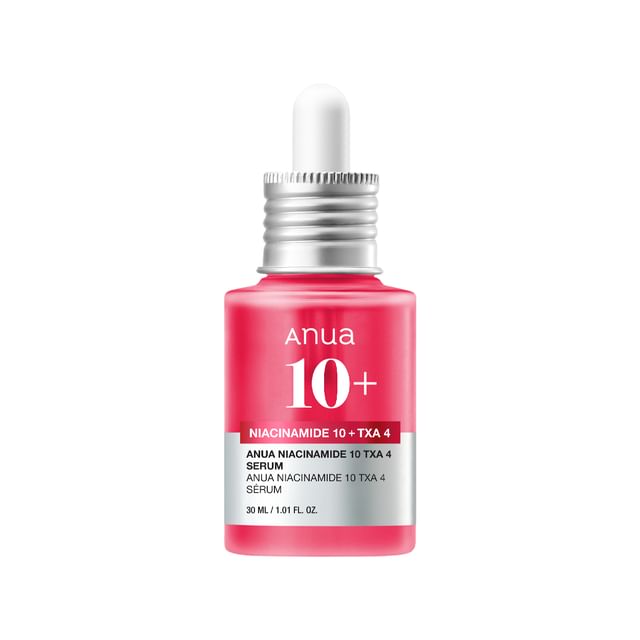
Anua Niacinamide 10% + TXA 4% Serum
Toner (or "Skin")
Korean toners are nothing like Western astringent toners. They don't strip or tighten. They hydrate. The word for it in Korean is "스킨" (skin), which gives you a clue about the purpose — it's meant to prep your skin to absorb what comes next.
Cosrx Advanced Snail 96 Mucin Toner, Klairs Supple Preparation Unscented Toner, and the Pyunkang Yul Essence Toner are all beginner-friendly options. Apply with your hands (pat, don't rub) after cleansing.
Essence or Serum
This is the most targeted step — the one where you address specific concerns like brightening, acne, texture, or hydration. You don't need this right away.
When you're ready, pick one based on your actual concern: - Dull skin / brightening: something with niacinamide or vitamin C - Acne-prone: COSRX Advanced Snail 96 Mucin Essence, BHA toner, or centella asiatica (cica) products - Dry / dehydrated: hyaluronic acid serums (the ISNTREE one is genuinely great) - First signs of aging: retinol alternatives like bakuchiol, or low-strength retinol if your skin can handle it
Eye Cream
Honestly? Not a priority at the beginner stage. Eye creams are useful, but most of the time, gently patting your regular moisturizer around the orbital bone is fine. Save the eye cream budget for something that'll do more work.
What Products I'd Actually Buy to Start
If someone handed me ₩60,000 (~$44) and told me to build a beginner Korean skincare kit from scratch, here's what I'd get:
- Banila Co. Clean It Zero Cleansing Balm — ₩18,000 (~$13) — first cleanse YesStyle →
- COSRX Low pH Good Morning Gel Cleanser — ₩9,000 (~$7) — second cleanse / morning cleanse Amazon →
- Beauty of Joseon Relief Sun (see sunscreen post) — ₩13,000 (~$9) — SPF StyleKorean →
- Use whatever affordable moisturizer you currently have for the first few weeks, or grab the COSRX Oil-Free Moisturizing Lotion for ₩14,000 (~$10)
That's your foundation. That's it. Build from there.
The Things People Get Wrong
Using too many actives at once. Niacinamide, retinol, AHAs, BHAs — these are all useful. They're also all potentially irritating, and using multiple strong actives at the same time before your skin is used to them is a recipe for a disrupted moisture barrier, which looks like redness, tightness, and suddenly more breakouts. Introduce one new active at a time, give it two to four weeks, and then reassess.
Not giving products enough time. A moisturizer might show results in a few days. A serum targeting hyperpigmentation takes months. Seriously. Don't expect your vitamin C serum to fade a dark spot in a week.
Buying based on packaging. I say this as someone who is absolutely guilty of this. The cute pastel bottle does not mean the product is good. Read the ingredient list. Or just start with well-reviewed basics from brands like COSRX, Anua, Klairs, and Pyunkang Yul that are known for no-frills, effective formulas.
Skipping sunscreen because it's cloudy. UV rays penetrate clouds. They penetrate windows. Wear SPF.
A Simple Schedule
AM: 1. Gentle cleanser 2. Moisturizer 3. Sunscreen
PM: 1. Oil cleanser / balm (if you wore makeup or SPF) 2. Gentle cleanser 3. Toner (optional but nice) 4. Serum / treatment (when you've introduced one) 5. Moisturizer
That's it. Six steps at most, usually fewer. This is a real, sustainable routine that you can actually maintain long-term. And consistent basics done well will always outperform an inconsistent 10-step routine.
A Note on Ingredient Sensitivity
Korean skincare products often contain ingredients you might not recognize — fermented extracts, centella asiatica, propolis, various plant extracts. Most are beneficial, but some people react to certain ingredients.
Patch testing is worth doing for any new product: apply a small amount to the inside of your wrist or behind your ear, leave it for 24 hours, and check for redness or irritation. I know it feels excessive. It's saved me from a bad reaction at least twice.
The bottom line: start simple, be consistent, and don't let anyone convince you that you need ten products to have good skin. You don't. You need a few well-chosen things and the patience to let them work.
Disclosure: This post contains affiliate links. If you purchase through these links, I may earn a small commission at no extra cost to you. I only recommend products I've personally tried and genuinely like.